
Construction Safety - Introduction
Construction sites are among the most hazardous workplaces due to the presence of heavy machinery, work at height, excavation activities, electrical systems, and moving equipment. Construction Safety training provides workers, supervisors, and contractors with the knowledge and practical skills needed to identify workplace hazards, implement effective control measures, and comply with occupational health and safety regulations. The course promotes a proactive safety culture, helping to prevent accidents, injuries, property damage, and environmental incidents while ensuring construction activities are carried out safely and efficiently.
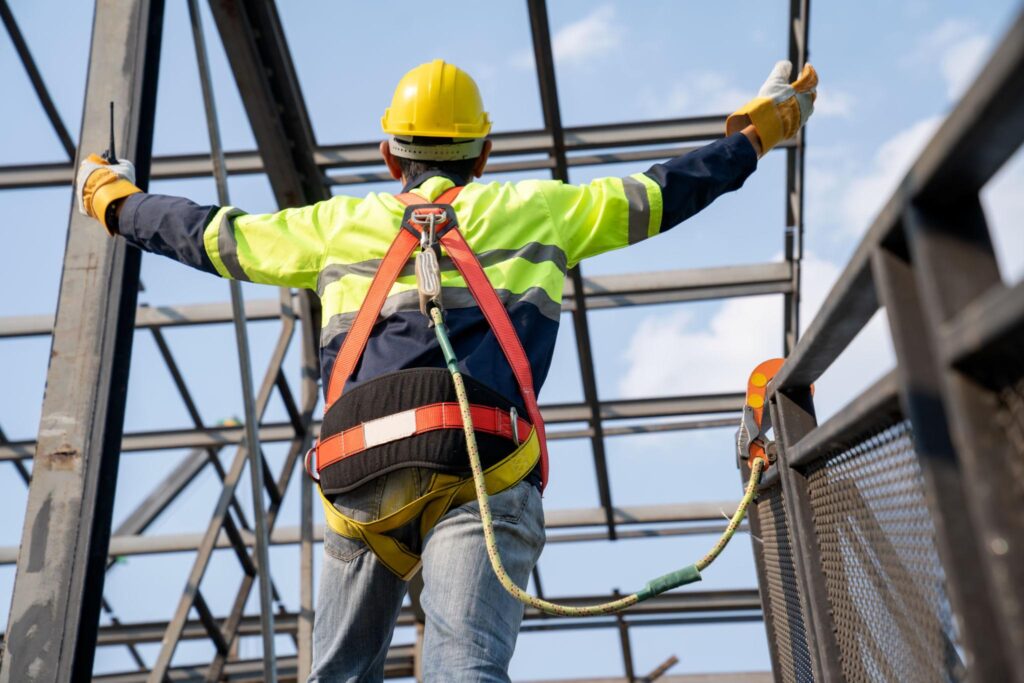
Benefits of Construction Safety Training
Construction Safety training helps participants understand workplace hazards and apply safe working practices throughout all stages of construction projects. The course reduces the risk of accidents, improves hazard awareness, increases compliance with health and safety regulations, enhances emergency preparedness, and creates a safer working environment. Organizations also benefit from improved productivity, reduced downtime, lower incident rates, and stronger legal compliance.
Who Can Take Construction Safety Training?
- Construction workers and laborers.
- Site engineers and project engineers.
- Site supervisors and foremen.
- Safety officers and HSE professionals.
- Contractors and subcontractors.
- Electricians, plumbers, and technicians.
- Scaffolders and riggers.
- Crane operators and heavy equipment operators.
- Maintenance personnel.
- Project managers.
- Civil engineering students.
- Anyone working on or planning to enter the construction industry.
Learning Outcomes of Construction Safety Training
By the end of this course, participants will be able to:
- Understand the principles of construction site safety.
- Identify common construction hazards and risk factors.
- Conduct basic hazard identification and risk assessment.
- Select and use appropriate Personal Protective Equipment (PPE).
- Understand safe work practices for working at height.
- Recognize excavation and trenching hazards.
- Apply scaffolding safety requirements.
- Understand lifting operations and crane safety.
- Follow electrical safety procedures on construction sites.
- Understand Lockout/Tagout (LOTO) principles.
- Apply safe manual handling and material handling techniques.
- Recognize confined space hazards and entry requirements.
- Implement fire prevention and emergency response procedures.
- Understand Permit to Work (PTW) systems.
- Report hazards, near misses, and workplace incidents effectively.
- Promote a positive safety culture and teamwork on construction sites.