
Oil & Gas Safety Awareness - Introduction
The Oil & Gas industry is one of the most hazardous sectors in the world, involving exploration, drilling, production, refining, transportation, and storage of petroleum products. Employees are exposed to various workplace hazards, including fire, explosions, toxic gases, confined spaces, heavy machinery, and high-pressure systems. Oil & Gas Safety Awareness training provides participants with the knowledge and practical understanding required to recognize workplace hazards, follow safe work practices, and comply with international health, safety, and environmental (HSE) standards. This training promotes a strong safety culture, reduces workplace accidents, and ensures employees can work safely in both onshore and offshore environments.
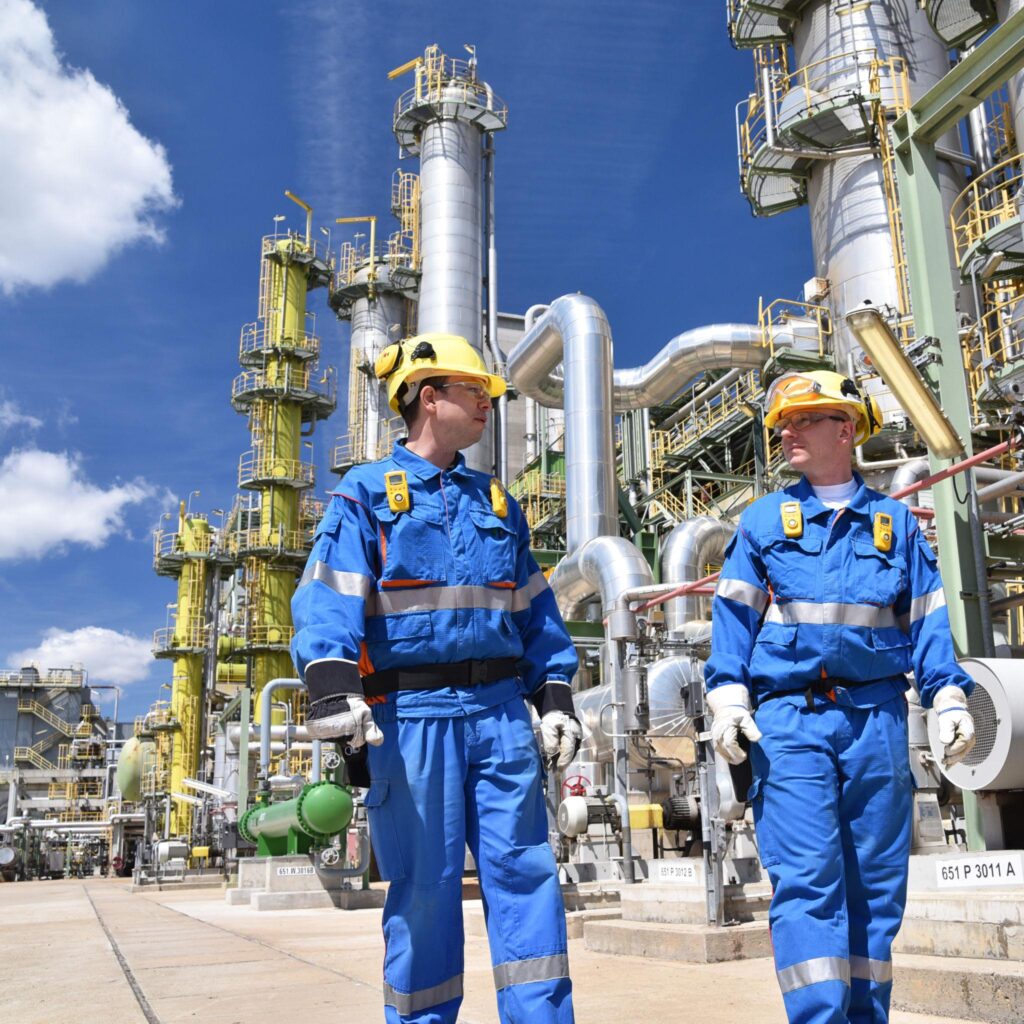
Benefits of Oil & Gas Safety Awareness Training
This course equips participants with the essential safety knowledge required to work confidently within the oil and gas industry. It helps reduce workplace accidents, protects employees from occupational hazards, improves emergency preparedness, and supports compliance with international safety regulations. Organizations also benefit from improved operational efficiency, reduced downtime, and a stronger commitment to workplace health and safety.
Who Can Take Oil & Gas Safety Awareness Training?
- Oil & Gas industry employees.
- New hires entering the Oil & Gas sector.
- Drilling and rig personnel.
- Production and refinery workers.
- Maintenance technicians and engineers.
- Contractors and subcontractors.
- Mechanical, Electrical, and Instrumentation personnel.
- HSE Officers and Safety Supervisors.
- Construction workers assigned to Oil & Gas projects.
- Logistics and transportation personnel.
- Offshore and onshore workforce.
- Anyone seeking employment in the Oil & Gas industry.
Learning Outcomes of Oil & Gas Safety Awareness Training
By the end of this course, participants will be able to:
- Understand the fundamentals of the Oil & Gas industry.
- Identify common hazards associated with Oil & Gas operations.
- Recognize fire and explosion risks in hazardous environments.
- Understand the properties and dangers of flammable liquids and gases.
- Identify hazardous chemicals and toxic gas exposure (including H₂S awareness).
- Apply safe work practices during drilling, production, maintenance, and refinery operations.
- Understand Permit to Work (PTW) systems.
- Recognize the importance of Job Safety Analysis (JSA) and Risk Assessment.
- Understand Lockout/Tagout (LOTO) procedures for energy isolation.
- Follow safe practices while working at height.
- Understand Confined Space Entry procedures.
- Recognize lifting operation hazards and safe rigging practices.
- Demonstrate proper use of Personal Protective Equipment (PPE).
- Understand emergency response procedures and evacuation plans.
- Identify spill prevention and environmental protection measures.
- Understand incident reporting and accident investigation basics.
- Apply defensive behavior and safety culture in the workplace.
- Understand toolbox talks and safety communication.
- Comply with international HSE standards and company safety procedures.