
First Aid & CPR - Introduction
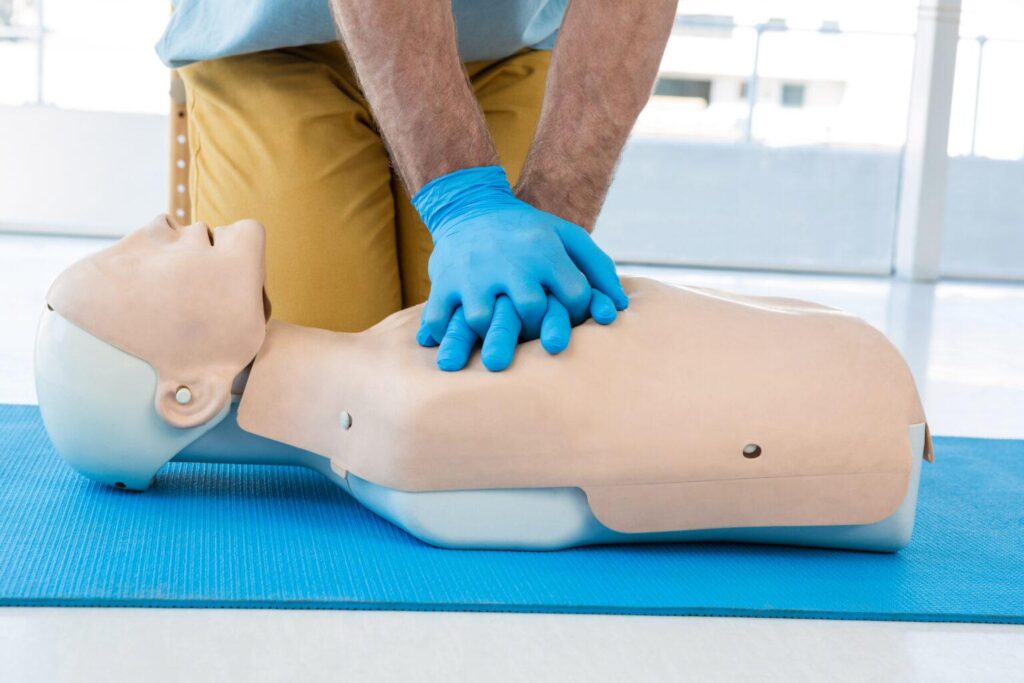
First Aid and CPR (Cardiopulmonary Resuscitation) training equips individuals with the knowledge and practical skills required to respond effectively during medical emergencies. Immediate first aid can help preserve life, prevent a condition from worsening, and promote recovery until professional medical assistance arrives. CPR is a life-saving technique used when a person’s breathing or heartbeat has stopped due to cardiac arrest, drowning, choking, or other emergencies. Proper training enables participants to act confidently and make a critical difference during emergency situations.
Benefits of First Aid & CPR Training
This course provides participants with the confidence and competence to respond quickly during emergencies. It helps reduce the severity of injuries, improves survival rates, and promotes a safer workplace and community. Participants learn how to assess emergency situations, provide immediate care, and support victims until medical professionals arrive. Regular training also helps organizations meet workplace health and safety requirements.
Who Can Take First Aid & CPR Training?
- Employees working in offices, factories, construction sites, and industrial workplaces.
- Supervisors, managers, and team leaders.
- Healthcare assistants and caregivers.
- Teachers, school staff, and childcare providers.
- Security personnel and emergency response teams.
- Parents, guardians, and community volunteers.
- Anyone interested in learning life-saving emergency response skills.
Learning Outcome of First Aid & CPR Training
By the end of this course, participants will be able to:
- Understand the principles and importance of First Aid.
- Assess an emergency scene safely before providing assistance.
- Perform Primary and Secondary Patient Assessment.
- Recognize signs and symptoms of common medical emergencies.
- Perform Adult, Child, and Infant CPR according to international guidelines.
- Use an Automated External Defibrillator (AED) safely and effectively.
- Assist victims experiencing choking using appropriate techniques.
- Control severe bleeding using direct pressure and bandaging methods.
- Treat burns, fractures, sprains, and soft tissue injuries.
- Respond appropriately to shock, unconsciousness, seizures, and stroke.
- Identify symptoms of heart attack and provide immediate first aid.
- Apply infection prevention and universal precautions while providing care.
- Communicate effectively with emergency medical services (EMS).
- Demonstrate confidence in handling workplace and public medical emergencies.