
Permit to Work (PTW) – Introduction
A Permit to Work (PTW) is a formal safety management system used to control high-risk work activities in industrial, construction, manufacturing, and oil & gas environments. It ensures that hazardous tasks are properly planned, authorized, monitored, and completed safely by identifying potential hazards, implementing control measures, and obtaining approval before work begins. PTW training provides participants with the knowledge and practical skills required to understand permit procedures, legal responsibilities, hazard identification, and safe work practices, helping organizations prevent accidents, injuries, equipment damage, and environmental incidents.
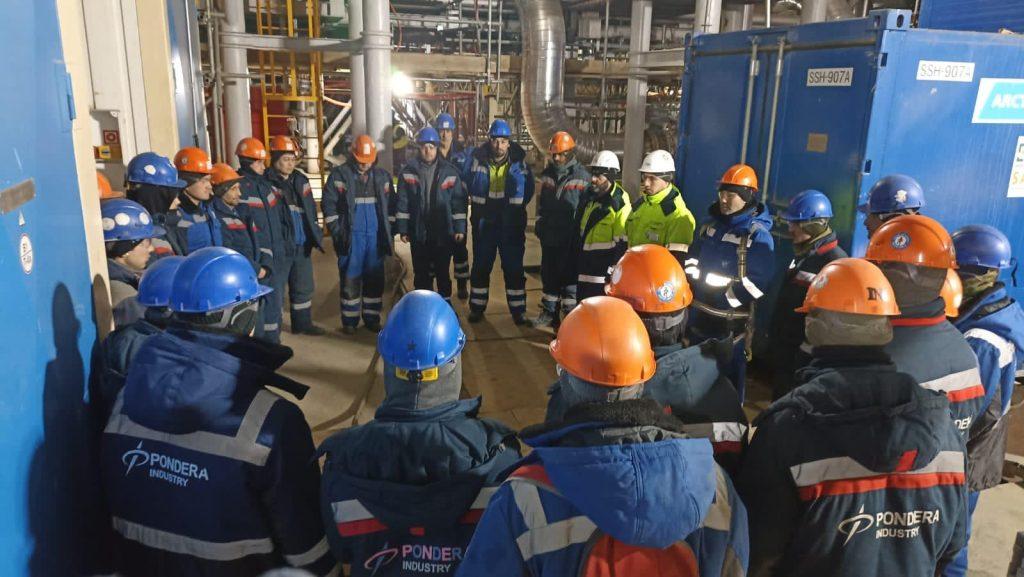
Benefits of Permit to Work (PTW) Training
Permit to Work training helps employees understand how to safely manage hazardous work activities by following a structured authorization process. The course improves hazard awareness, reduces workplace incidents, enhances communication between departments, ensures legal compliance, and promotes a strong safety culture. Organizations benefit from improved operational control, reduced downtime, and safer working environments.
Who Can Take Permit to Work (PTW) Training?
- HSE Officers and Safety Professionals
- Site Supervisors and Foremen
- Engineers and Maintenance Personnel
- Construction Workers
- Oil & Gas Industry Employees
- Plant Operators and Technicians
- Electrical and Mechanical Technicians
- Contractors and Subcontractors
- Project Managers
- Facility Maintenance Staff
- Anyone involved in high-risk work activities
Learning Outcomes of Permit to Work (PTW) Training
By the end of this course, participants will be able to:
- Understand the purpose and importance of the Permit to Work system.
- Identify hazardous work activities requiring permits.
- Understand legal and organizational PTW requirements.
- Conduct hazard identification and risk assessment before work begins.
- Understand the roles and responsibilities of permit issuers and receivers.
- Complete and review Permit to Work documentation correctly.
- Apply appropriate control measures before issuing permits.
- Understand isolation and Lockout/Tagout (LOTO) requirements.
- Monitor work activities to ensure permit compliance.
- Safely suspend, extend, and close work permits.
- Communicate effectively between work teams and supervisors.